
Author: Grant “SWAT” Georgulis
-
Artificial Intelligence and the Future of Air Battle Management

Applied deliberately across integrated surveillance and identification, force and information management, and the continuum of control, AI can improve tactical decision-making while allowing Air Battle Managers to focus on translating commander’s intent into action. The challenge is determining where automation ends and the exercise of authority begins. Read more
-
Scarcity Is the Real Air Battle Management Problem in the Pacific

The Pacific deterrence problem is not just whether the joint force can see. It is whether it can stay coherent long enough to deny a rapid success. Read more
-
Deterrence Requires Air Battle Management, Not Just Better Sensing

Air battle management is the part of the warfighting architecture that keeps a force coherent under pressure. If an adversary believes it can disconnect the joint force’s ability to bring order to chaos in the air domain, the deterrent effect of other individually-exquisite capabilities is minimized. Read more
-
The Pentagon’s E-7 Reversal Is Really About Air Battle Management
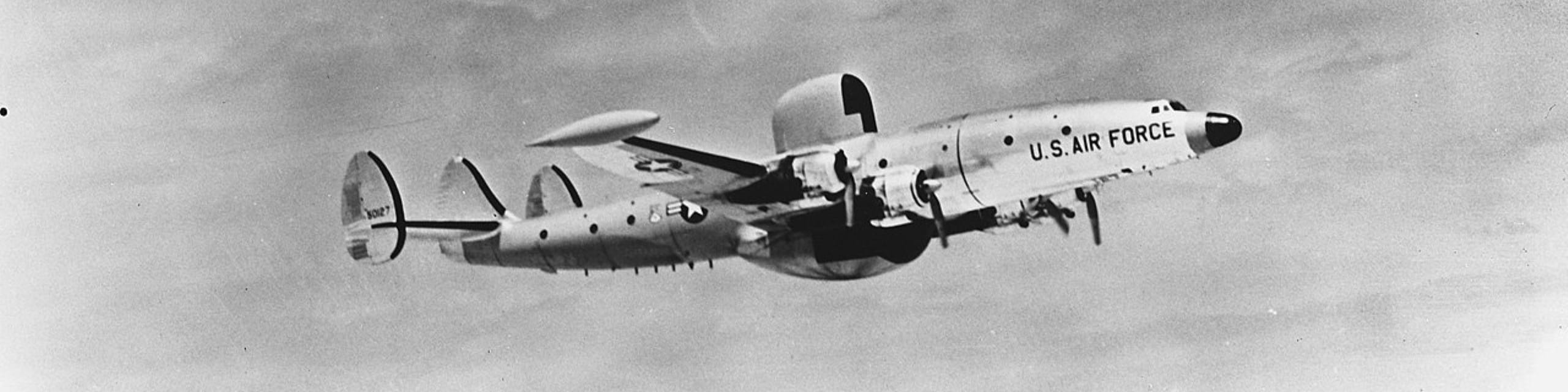
The Pentagon is restoring funding for the U.S. E-7 program in their FY2027 budget request – a welcome reversal. This shift reflects widespread understanding that AMTI is not Air Battle Management, that C2ABM is indispensable, and that failing to invest in a robust airborne C2ABM capability invites unacceptable risk. Read more
-
C2ABM Cannot Rescue a Broken Strategy

When campaigns underperform, when operations become muddled, or when military action fails to produce the desired effect, the instinct is often to look first for a material fix. Better sensors. Better networks. Better aircraft. Sometimes that answer is correct. Often it is only part of one. Read more
-
The Arsenal of Democracy Needs an Air Battle Management Plan

The U.S. industrial base must be modernized to support future mobilization, and C2ABM mobilization must be included in this effort. This modernization should include the establishment and maintenance of resilient and responsive supply lines to maintain, sustain, and replace C2ABM platforms. Read more
-
The Future of Airpower Still Depends on Air Battle Management

Efforts to modernize U.S. air battle management capabilities are more important now than ever, and the problem is increasingly urgent. These efforts are not optional, and require investment in platforms and improved service-wide clarity on what the future of air battle management means to the larger force. Read more
-
C2ABM at the Edge of Escalation: Taiwan, Legacy Platforms, AI Reality, and the Decision Loop

Conflict around Taiwan will pose significant challenges, not the least of which include maintaining effective C2ABM. Such a conflict will require resilient C2ABM structures, a blending of legacy and emerging technologies, and, most importantly, competent human judgement. Read more
-
Reorienting C2ABM: How the 2025 NSS and 2026 NDS Shift Focus to the Western Hemisphere and Indo-Pacific

The 2025 National Security Strategy and 2026 National Defense Strategy adjust military priorities. This shift will likely drive important changes to C2ABM systems, training, and employment. Read more
-
The Dawn of Air Battle Management: Lessons from the Battle of Britain

The invention of command and control and air battle management (C2ABM) during the Battle of Britain laid the foundation for modern air superiority. Today, U.S. airpower advocates and practitioners must understand and apply this history to field, protect, and employ resilient C2ABM capabilities to counter rising global threats. Read more